2026-10-26 · David Ramirez
Handling Storm Debris After Hurricane Season in St. Petersburg
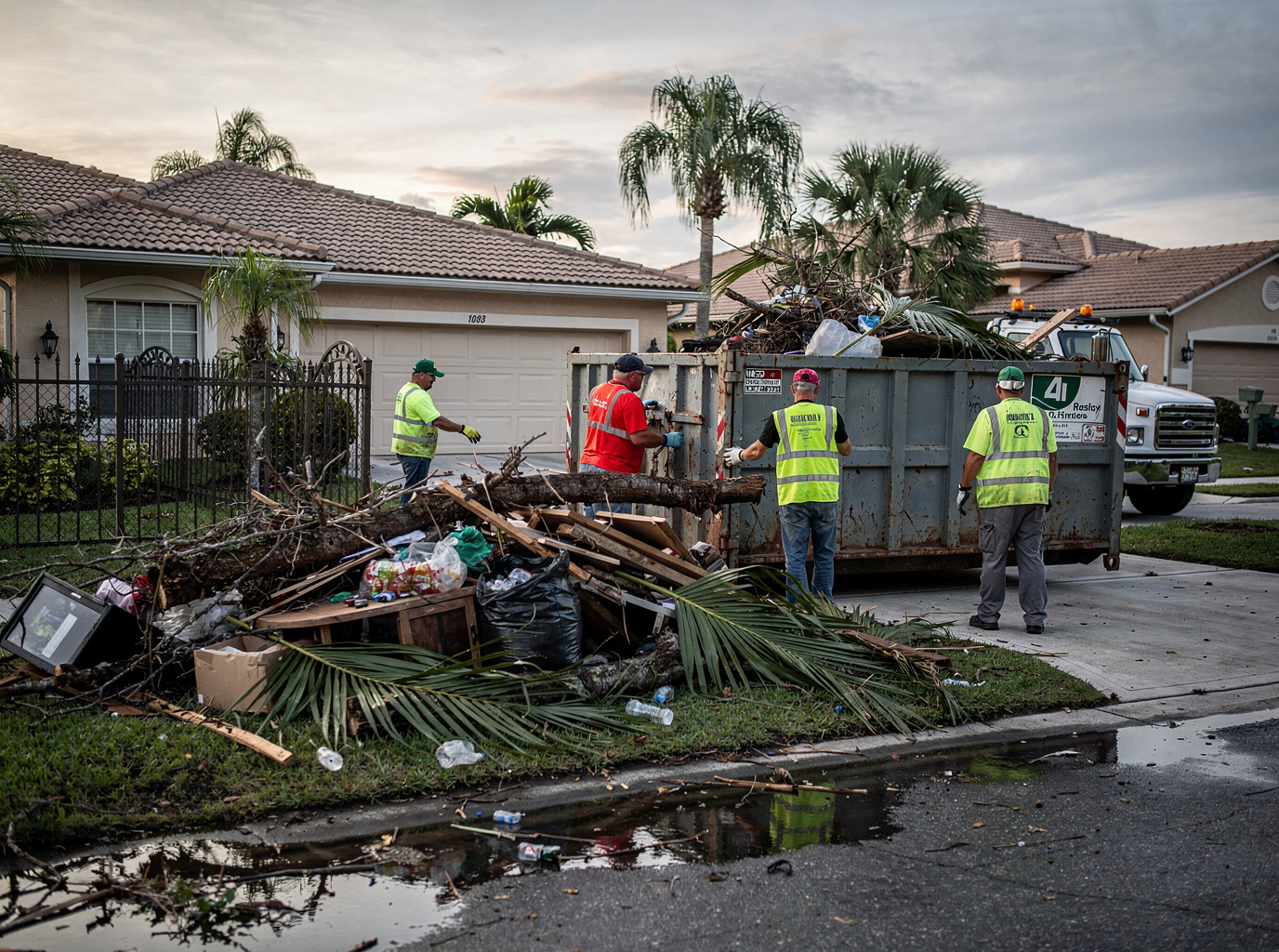
After a hurricane passes St. Petersburg, most single-family homes in areas like Old Northeast or Kenwood generate 8–20 cubic yards of mixed debris including saturated drywall, roof tiles, and downed palms. A 20-yard or 30-yard roll-off placed on the driveway or approved street spot handles the load in one trip for the majority of properties built before 1970.
Assessing Debris Volume on St. Petersburg Lots
St. Petersburg lots average 6,000–8,000 square feet with mature live oaks and banyan trees that drop large limbs during 60-plus mph winds common in Pinellas County storms. Walk the property and separate three categories: vegetative waste, construction materials from roof or fence damage, and household items ruined by water intrusion. Measure piles in 10-foot sections to estimate total yards; a full 10-by-10-foot pile roughly 4 feet high equals about 15 yards. Coastal blocks near Tampa Bay often see higher volumes because storm surge pushes additional sediment and dock debris onto yards. Document everything with photos before loading begins so insurance claims move faster.
Selecting Dumpster Sizes for Local Storm Cleanup
Residential Dumpster Rental works best for most St. Petersburg addresses because the containers fit standard driveways without blocking sidewalks. A 10-yard unit suits smaller jobs such as one roof section or garage flood damage, while 20- and 30-yard sizes handle full-home cleanouts common after major events. Same Day Dumpster Rental lets crews start loading the morning after permits clear, which matters when afternoon thunderstorms return and re-wet piles. Avoid overfilling; keep material level with the top rails so haulers can tarp and transport legally on local roads.
Placement Rules and Street Permits Downtown
Downtown St. Petersburg and adjacent blocks require a city permit for any container left on public right-of-way. Place the dumpster on a plywood sheet to protect asphalt and concrete from point loads, especially on older streets with brick crosswalks. Keep at least 5 feet from fire hydrants and 10 feet from intersections. In neighborhoods such as Historic Kenwood or Crescent Heights, narrow alleys limit access, so front-yard placement on the driveway is usually simpler. Check the city website or call the address at 512 4th Ave S during business hours for current rules before scheduling delivery.
Handling Mixed Materials and Local Disposal Limits
Pinellas County landfills accept hurricane debris but separate loads: clean vegetative waste goes to mulch sites while treated lumber and insulation must go to construction-and-demolition streams. Load heavier items like soaked carpet and drywall at the bottom so lighter branches ride on top without blowing out during transport. Never mix paint cans or batteries with general debris; those require separate hazardous-waste drop-off days. Crews working in South St. Petersburg near the bay often encounter salt-water corrosion on metal debris, which accelerates rust and adds weight, so schedule pickup within 48 hours of loading when possible.
Timing Pickup After the Storm Window Closes
Hurricane season officially ends November 30, yet cleanup in St. Petersburg frequently stretches into December when afternoon rains continue to soak remaining piles. Book the container for a 7–10 day rental window so loading can pause during heavy rain without extra fees. Once the load is full, request removal before the next front arrives; standing water inside the dumpster adds hundreds of pounds and can shift weight during highway transit to the landfill. Homeowners who finish early often share the container with a neighbor on the same block, splitting the rental cost while staying within weight limits.