2026-10-26 · David Ramirez
Dumpster Permit Rules for Street Placement in Downtown St. Petersburg
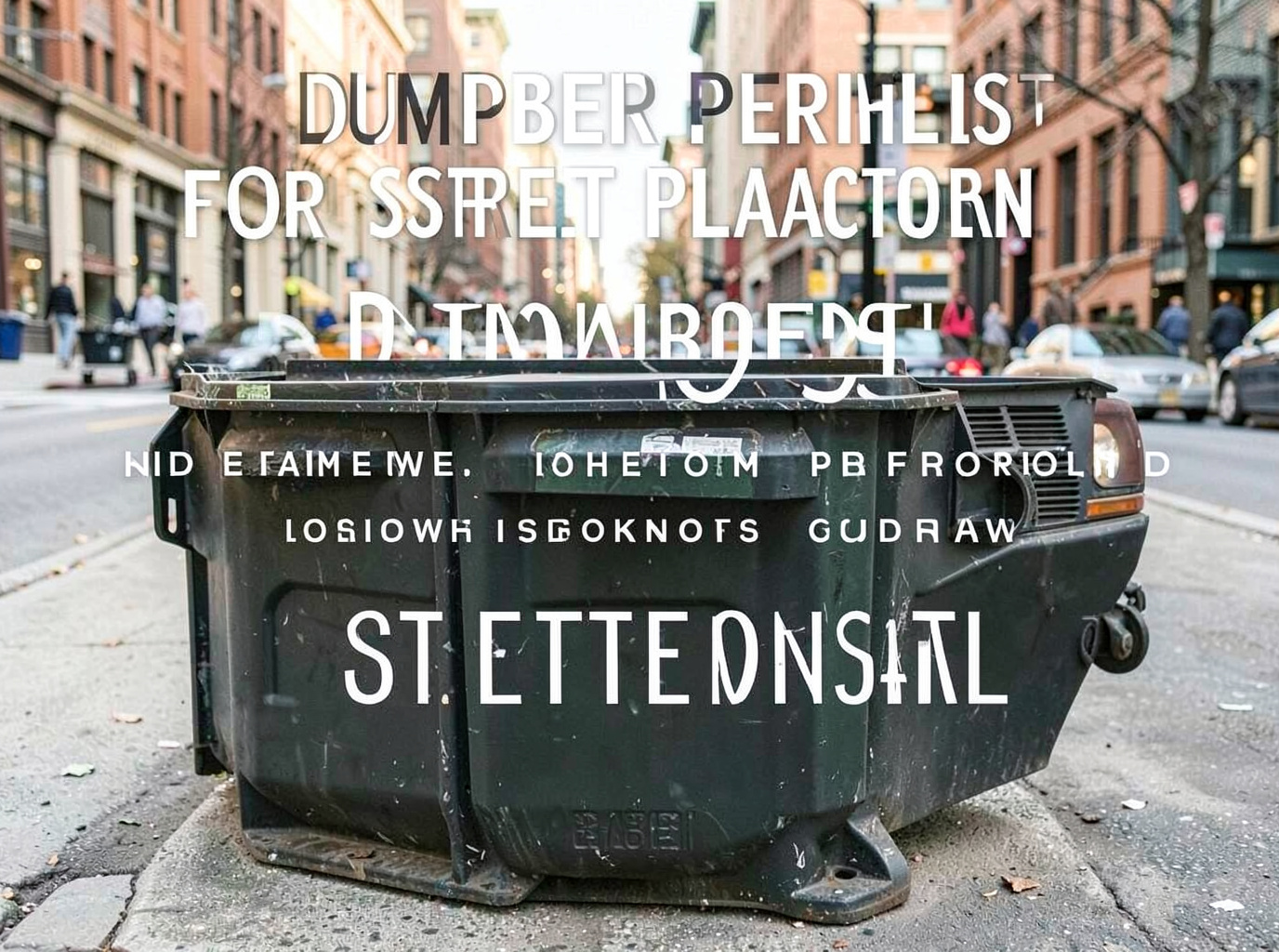
To place a dumpster on the street in downtown St. Petersburg you must obtain a permit from the City of St. Petersburg Public Works Department before the container arrives. The permit covers right-of-way use and ensures the unit does not block traffic flow or pedestrian access on narrow downtown blocks. Applications are submitted through the city's online portal or in person at City Hall, and approval typically covers the exact address and dates requested. Without this approval the city can ticket or remove the unit, so operators schedule the permit well ahead of delivery.
Understanding Permit Requirements in Downtown St. Petersburg
Downtown streets such as Central Avenue and 1st Avenue North have limited curb space and high foot traffic, which means the city reviews each request for sight-line clearance and emergency access. The permit specifies the exact footprint allowed on the pavement and requires reflective cones or barricades at both ends of the unit. Because many downtown buildings sit on narrow lots with no rear alley access, street placement becomes the only option for renovation projects. Property owners in the 33701 zip code often combine the permit with a temporary no-parking request so the hauler can position the container safely. Checking the address against current construction zones prevents last-minute denials that delay residential dumpster rental jobs.
Steps to Obtain a Street Placement Permit
Begin by confirming the service address falls within the downtown district boundaries managed by the city. Submit the application with a site sketch showing the proposed location relative to fire hydrants, crosswalks, and bus stops. Include the container size and the dates it will occupy the space. Once submitted, the review period runs several business days, after which the approved permit must be printed and kept on site. Coordinate delivery only after the permit number is issued so the driver can reference it if questioned by code enforcement. Homeowners handling renovations frequently link this process with choosing the right dumpster size for a St. Petersburg home renovation to avoid ordering a unit too large for the permitted space.
Common Challenges and How to Avoid Them
Tight downtown sidewalks and frequent events create the main obstacles. Construction fencing already occupying curb space can push the dumpster location into a travel lane, triggering extra review. Heavy afternoon rain common in Pinellas County can soften asphalt, so crews place plywood under the wheels to prevent surface damage that would violate permit conditions. Another frequent issue is overlapping requests from neighboring properties; the city processes permits on a first-come basis, so early submission protects the slot. Operators based at 512 4th Ave S, St. Petersburg, FL 33701 keep copies of recent approvals on file to show patterns that speed future reviews for repeat clients.
How Weather and Local Conditions Affect Placement
St. Petersburg's subtropical climate brings sudden downpours that fill open dumpsters and add weight, so crews secure tarps immediately after loading. High summer humidity also accelerates rust on metal containers left on pavement for extended periods, prompting shorter rental windows. During peak tourist season the city increases scrutiny on units near the waterfront to maintain clear paths for emergency vehicles. These seasonal patterns mean residents planning projects in the St. Petersburg area often schedule deliveries for shoulder months when permit processing moves faster and weather delays are less likely. The same considerations apply when serving nearby neighborhoods that share the same permitting office.
When to Consider Alternatives to Street Placement
If the permit is denied due to ongoing festivals or utility work, the next option is a driveway or alley placement on private property. This route still requires checking with the property owner and confirming the surface can support the loaded weight without cracking. For larger renovation jobs, splitting the load across two smaller containers scheduled on different days can reduce the footprint needed on the street. When street placement remains essential, cross-reference the approved permit with the delivery window listed on the rental agreement to prevent any mismatch that could result in a citation. Homeowners in Gulfport and South Pasadena follow similar steps when their projects cross into downtown permitting zones.